When a garage door starts acting up, most people aren’t sure whether it’s something small or a sign the whole door is on its way out. Maybe it’s become noisy, maybe the motor is struggling, or maybe the door just isn’t running as smoothly as it used to. It’s a common question we hear every week across the Sunshine Coast:
“Do I repair this, or is it time to replace the door altogether?”
The good news is that, in most cases, the answer is pretty clear once you understand what to look for. Here’s a straightforward guide to help you make the call with confidence.
When a Repair Is Usually All You Need
A lot of garage door issues look worse than they are. Many problems are isolated, easy to fix and don’t affect the rest of the door. Repairs are normally the best option when:
The door itself is still in good condition
If the panels are straight, the frame is solid and there’s no widespread rust, a repair will generally get everything working properly again.
The problem is caused by one worn or broken part
Common repair jobs include:
- worn or squeaky rollers
- frayed or broken cables
- damaged hinges
- bent brackets
- sensor faults
- track alignment issues
- noisy operation
- springs losing tension
These are everyday fixes for Pioneer technicians and can usually be sorted quickly.
The motor is the issue, not the door
Motors tend to fail earlier than doors themselves, especially in humid coastal conditions. If the door panels are otherwise fine, upgrading the motor is usually the smarter move. Pioneer can fit new motors that work seamlessly with B&D garage door systems, giving your existing door a new lease on life.
When It’s Worth Replacing the Entire Door
Some problems go beyond a simple fix and end up costing more in the long run if you keep repairing them. Replacement becomes the better option when:
There’s significant rust or corrosion
Salt air on the Sunshine Coast can be pretty unforgiving. If rust has spread through multiple panels or brackets, a new door will save you ongoing repair bills.
The door is dented, warped or visibly deformed
Once a door loses its shape, it puts strain on the tracks, rollers and motor. Even after repairs, these doors tend to bind, jam or wear parts out quickly.
The door is 15–20 years old or older
Older doors are noisier, heavier and often lack modern safety features. A replacement door gives you smoother operation, better insulation and much better reliability.
You’re upgrading your home
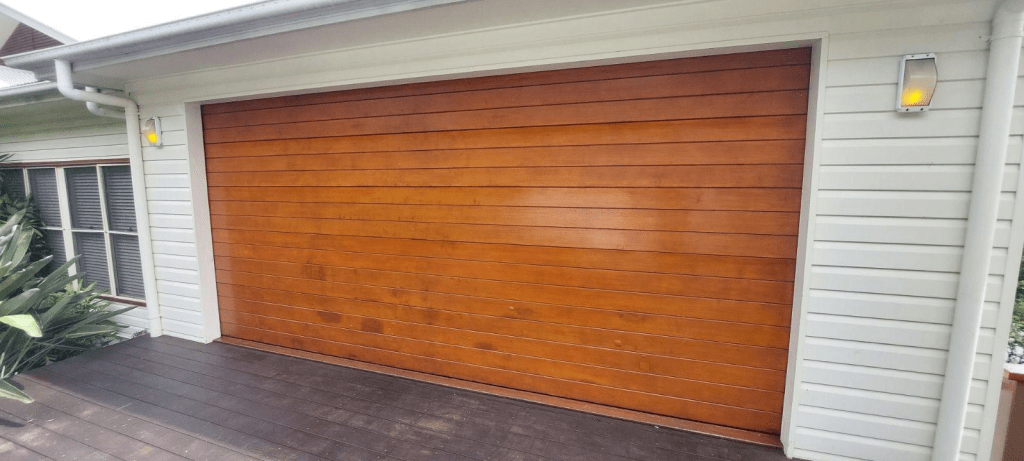
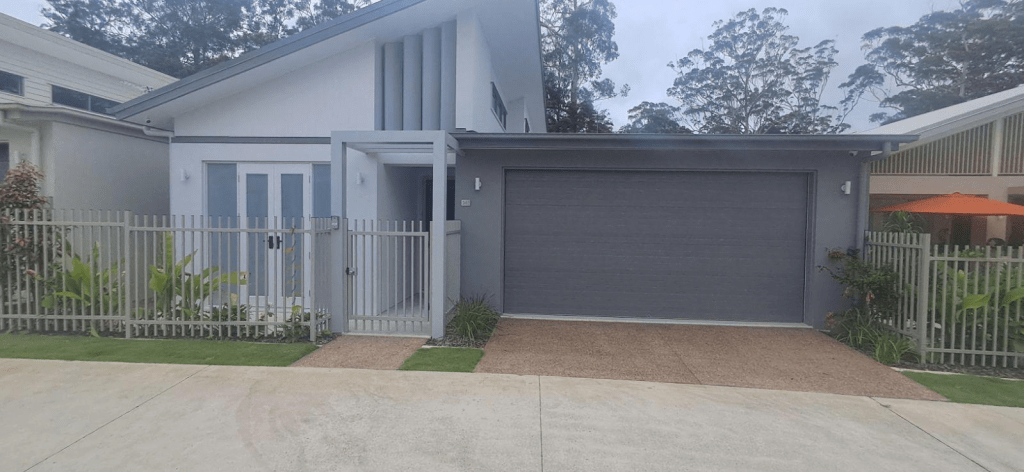
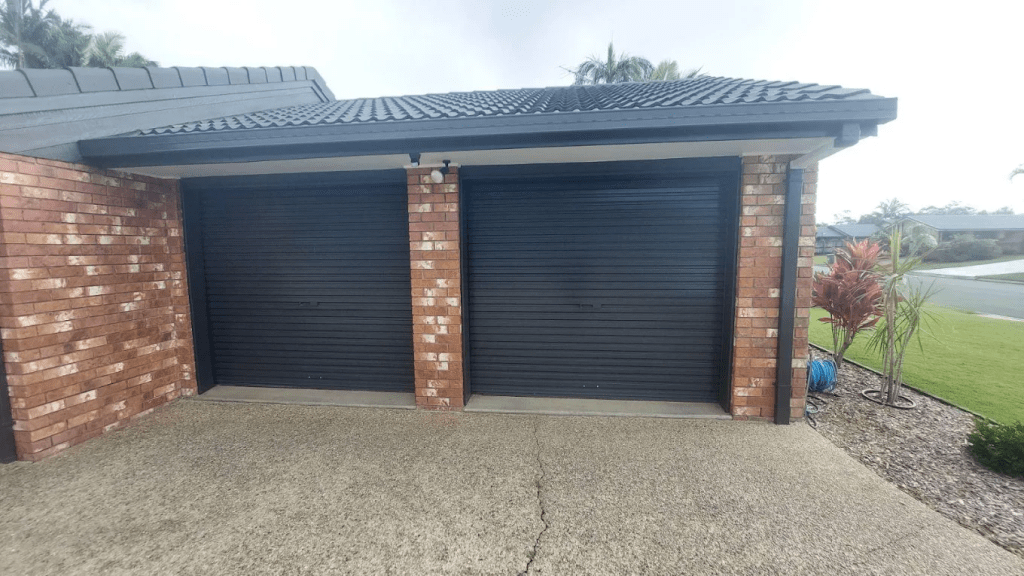
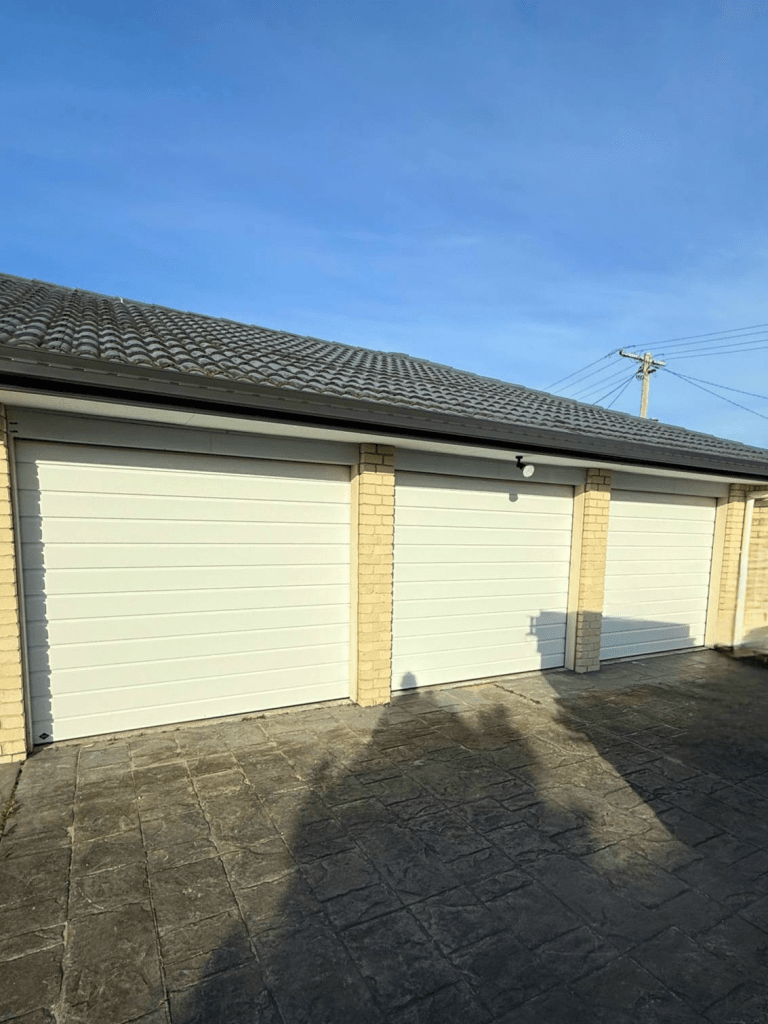
Street appeal matters. A fresh B&D sectional or roller door can make a huge visual difference, especially during renovations or when preparing a home for sale.
How to Make the Decision Quickly
Here’s a simple way to decide:
Repair it if:
- the door looks straight and solid
- the issue is isolated to one component
- the motor is the only thing failing
- there’s no major rust
Replace it if:
- the door has widespread corrosion
- dents or warping affect how it runs
- repairs are becoming too frequent
- the door is outdated or noisy
- you’re upgrading your home exterior
Most homeowners know the answer as soon as they read that list.
Why Sunshine Coast Conditions Speed Up Wear and Tear
Garage doors here deal with more moisture, salt air and storm exposure than inland homes. That means:
- motors work harder
- sensors fail more often
- panels corrode faster
- weather seals break down quicker
- tracks collect more grit and sand
Choosing the right materials, and keeping up with maintenance, makes a massive difference to how long a door lasts in our climate.
Not Sure Which Way to Go? Here’s How Pioneer Helps
If your door is sticking, noisy, rusty or simply not running like it used to, Pioneer can take a look and give you clear, practical advice. Whether it’s a simple repair or the right time for a new B&D garage door, we’ll help you choose the option that makes the most sense long-term.